5 Ways Shop Assisted Living Homes Improve Dementia Care Outcomes
Business Name: BeeHive Homes of Arrowhead Assisted Living
Address: 17202 N 69th Ave, Glendale, AZ 85308
Phone: (602) 717-1864
BeeHive Homes of Arrowhead Assisted Living
BeeHive Homes of Arrowhead Assisted Living care is ideal for those who value their independence but require help with some of the activities of daily living. Residents enjoy 24-hour support, private bedrooms with baths, medication monitoring, home-cooked meals, housekeeping and laundry services, social activities and outings, and daily physical and mental exercise opportunities. We offer full memory care services that accommodate the growing number of seniors affected by memory loss and dementia. Beehive Homes offers respite (short-term) care for your loved one should the need arise. At the BeeHive Homes of Arrowhead Assisted Living, we strive to provide the best care for our residents while maintaining their dignity and respect.
17202 N 69th Ave, Glendale, AZ 85308
Business Hours
Families typically start looking at assisted living or memory care after something specific occurs. A fall. A wandering occurrence. Medication mistakes that scare everyone. By the time I fulfill them, they are not comparing paint colors. They are attempting to avoid a crisis from becoming a pattern.
Over the years, I have actually seen the same thing play out: locals with dementia tend to do better in smaller, highly structured, relationship driven homes than in large, hotel design senior care settings. Not everybody, and not in every circumstance, but enough that it is tough to ignore.
Boutique assisted living homes, in some cases called residential care homes or small board and care, normally serve 4 to 16 locals in a house sized environment. When they are well run, they form every element of the day around the specific needs of people living with dementia.
Before we dig into the information, here are the five essential methods I have seen shop homes improve dementia care outcomes:
- Smaller scale and consistent staffing minimize confusion and behavioral distress
- Highly personalized routines and activities support remaining abilities
- Thoughtful environments decrease falls, agitation, and wandering threat
- Deep family collaboration and versatile respite care avoid burnout
- Close health coordination catches medical issues earlier and prevents unneeded hospitalizations
The rest of this post walks through each of these, with useful examples and some difficult earned nuance.
Why scale matters so much in dementia care
A person coping with dementia works harder than most of us realize simply to stay up to date with fundamental life. Every new face, every hallway, every choice needs extra cognitive effort. In a big senior care community with lots or hundreds of homeowners and turning personnel, the environment can become a continuous cognitive barrier course.
Boutique assisted living homes flip that formula. Fewer locals. Less team member. Less places to get lost. That simplicity is not a high-end for someone with dementia, it is a healing tool.
Families typically tell me, "She keeps in mind the caregiver's name here, but in the bigger structure she could not keep anybody directly." That is not a coincidence. The brain with dementia leans heavily on repeating, routine, and emotional familiarity. A little home setting naturally provides all three.
Of course, little does not instantly indicate high quality. A tiny home with disorderly leadership or poor training can be far even worse than a well managed bigger assisted living community. Scale is an advantage just when it is paired with structure and skill.
1. Smaller sized scale and constant staffing decrease confusion and distress
In shop homes, among the essential advantages is how easy it ends up being to develop steady relationships. A typical pattern appears like this: a constant team of caregivers, often 4 to 10 people total, cover all shifts for a house of 6 to 12 citizens. Over a couple of weeks, citizens and personnel know each other's voices, footsteps, and habits.
That consistency matters. People with dementia typically mirror the psychological tone around them. When care is delivered by familiar, calm staff who know the resident's quirks, you see fewer outbursts, less resistance to bathing, and fewer anxious telephone call to household at night.
I remember one resident, a retired specialist with mid phase Alzheimer's, who would become combative at shower time in a large center. Staff followed the care plan, however there were new faces continuously turning in. After moving to a small home, the manager paired him with the very same two male caregivers for all individual care. They found out to begin with a five minute "tool talk" on the way to the bathroom. Within a week, the "combative habits" looked more like a grumbling but cooperative routine.
Smaller scale also improves supervision and safety. In a big building, somebody can wander rather a distance before anyone notices. In a single level house, if a resident heads for the front door at 3 a.m., the night caregiver hears it. That can imply the difference in between rerouting someone back to bed and a missing out on individual call.
There is a trade off: in really little homes, care teams can become burned out if staffing is too tight or management does not support them. When you assess a boutique assisted living option, ask how often staff turn off for breaks, what backup coverage appears like, and how trips are managed. High quality dementia care depends on caretakers who are not running on fumes.
2. Individualized regimens and activities secure self-respect and function
Dementia care is not merely about keeping someone fed and safe. The more life feels like "my life," the much better the outcomes in mood, engagement, and even physical function.
Boutique homes normally have more versatility to tailor daily regimens because they are not coordinating lots of locals through a stiff schedule. Breakfast can be staggered throughout 2 hours instead of a 7:30 a.m. Sharp seating. Shower days can reflect individual choice. Medication passes can be timed around sleep patterns rather than the other way around.
I often see 3 particular gain from this level of individualization.
First, fewer behavioral episodes. Many so called habits are actually sensible responses to a schedule that does not fit the person. A guy who constantly slept late through his working life does not become a pleasant early bird because he goes into a memory care program. In a small home, personnel can simply let him sleep till 9, then serve a late breakfast. The "rejection to come to the dining room" disappears.
Second, much better conservation of capabilities. When personnel understand a resident's personal history, they can embed staying skills into the day. A former teacher may assist read stories to another resident. Somebody who invested a life time cooking might sit at the cooking area table peeling carrots for stew. These are not token activities; they are expressions of identity. The repetition of familiar jobs assists anchor memory and keeps hands, eyes, and voices engaged.
Third, more considerate handling of intimate care. People with dementia often feel susceptible during dressing, toileting, and bathing. In a boutique assisted living setting, where staff understand who prefers a bath versus a shower, who wants the restroom door closed fully, and who is modest about certain clothes, it is much easier to maintain self-respect. That has a direct effect on cooperation and trust.
Families in some cases ask if they can generate a private caregiver on top of the home's staff to more personalize care. In a shop setting, that can work nicely when interaction is clear and roles are specified. Done poorly, it can confuse residents or weaken the core group. Always involve the administrator in preparing outside support.
3. Thoughtful environments that match dementia needs
The physical environment of a senior care setting either fights the brain with dementia or deals with it. Boutique assisted living homes typically begin with a residential scale floorplan by definition, but the very best ones go much even more in creating for memory care.
Lighting, sound, color contrast, and signs all matter. I have seen locals who were identified "high fall risk" in a dark, carpeted hallway walk confidently in a smaller sized home with even lighting, clear sightlines, and less visual interruptions. Their legs were not the primary issue. The environment was.
Well developed boutique memory care homes typically share these features:
- Single level or short, clear paths between bed rooms, bathrooms, and typical areas, which decreases confusion and roaming threat without resorting to restraints or heavy handed redirection
- Functional hints instead of institutional signage, such as a bookshelf by the reading chair or a basket of towels outside the bathroom, which assists homeowners navigate using acknowledgment rather than memory
- Mixed seating options and small "nooks" so locals can choose peaceful or social spaces, which allows natural self regulation of overstimulation
- A securely confined garden or patio area that is really available, not just for program, which supports safe outdoor walking and reduces agitation for residents who were active all their lives
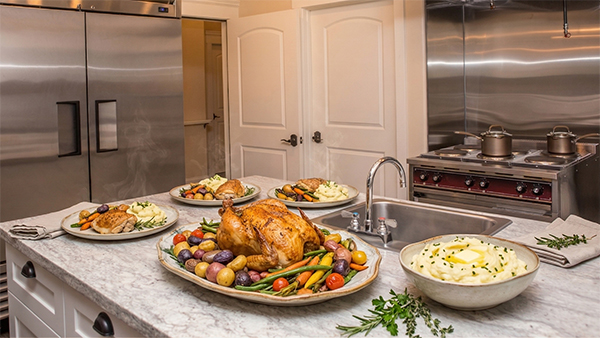
- Kitchens that show up and active throughout meal prep, which stimulate appetite and offer familiar sensory hints like the odor of coffee or onions on the stove
Notice how many of these features mirror a reasonably well organized home rather than a medical center. That is the point. Someone with dementia will not process a large dining hall or long corridor as familiar, no matter how nicely it is furnished. A smaller sized house like design provides a fairer chance.
That said, some shop homes lean too hard into "comfortable" and disregard ease of access. Look for narrow corridors that can not fit a wheelchair and a caregiver, throw rugs that are journey dangers, or low lighting that looks pretty however makes depth perception worse. Great dementia care finds the balance in between homelike and safe.
4. Deep household collaboration and the role of respite care
Boutique assisted living homes tend to have much shorter lines of interaction. Instead of passing info through numerous layers of management, you frequently speak straight with the owner, administrator, or lead nurse. For dementia care, where small behavioral modifications can signify medical issues, that speed matters.
In my experience, the most impactful family collaborations in little homes share three traits.
First, regular, informal updates. Not simply quarterly care plan conferences, however quick texts or calls: "She did not eat much lunch, but livened up with a healthy smoothie" or "He slept poorly last night, we are watching him more closely today." These snippets produce a shared narrative, and families are more likely to share their own observations in return.
Second, openness around tough behaviors. Households in some cases feel ashamed or protective when a loved one has aggressive or inappropriate episodes. In a healthy store setting, personnel can say, "Yesterday afternoon was rough, here is what we tried, here is what helped, what has operated at home in the past?" without blame on either side. That collective tone results in genuine issue solving. I have seen it reduce psychotropic medication use in time, simply since everyone comprehended triggers better.
Third, versatile support for respite care. Some shop homes welcome short stay homeowners for respite care, particularly when they have an open room. For family caregivers who are still mostly responsible however need a break for travel, medical procedures, or large fatigue, this can be a lifeline. The small scale permits respite visitors to be integrated into routines quickly, and the personnel can use the stay to discover the individual's patterns in case a long-term relocation is needed later.
One child informed me that putting her mother in a little home for 3 weeks of respite after a hospitalization was what kept her from stopping her job totally. The home sent out brief videos of her mother at lunch, playing cards, or taking a snooze in the recliner chair. By the end of the stay, everybody had a clearer photo of how her dementia showed up in life. When the full shift ultimately took place a year later, it felt far less abrupt.
The care here is cost. memory care home Respite care in shop settings can be more costly each day than in bigger facilities, partially because there is less economy of scale. Some homes also require a minimum stay or charge a deposit. It deserves asking particular concerns and comparing that cost against the real risk of caretaker burnout at home.
5. Close health coordination and fewer preventable medical facility trips
People with dementia land in the healthcare facility more frequently than their peers for issues that could have been managed earlier: dehydration, urinary infections, medication mismanagement, falls related to ecological dangers. Each hospitalization, in turn, can accelerate cognitive decline. The disorientation of a hospital space, sleep disturbance, and unfamiliar personnel can set off delirium superimposed on dementia, which often never ever totally reverses.
Boutique assisted living homes can not avoid every crisis, but they are well placed to capture issues early. When personnel understand a resident's baseline thoroughly, they notice smaller shifts: a change in gait, a brand-new propensity to nap through the morning, picking at food, or increased confusion at sunset.
I recall a resident with moderate vascular dementia living in a small home who began taking abnormally long in the restroom. No problems, just slower. Staff reported it within a day. The nurse professional who rounded on the home purchased a urinalysis, which revealed a urinary system infection beginning. Antibiotics were started at the home, and the resident never ever needed an emergency situation visit. In a bigger, busier neighborhood, that subtle modification may have gone unremarked until a fever or a fall required a 911 call.
Stronger health coordination in store homes frequently consists of:
- Prompt communication with medical care, geriatrics, or house call companies about habits and function modifications
- Medication evaluates to decrease unneeded drugs that intensify cognition or fall threat
- Honest discussions with households about objectives of care, consisting of when hospitalization will assist and when it may do more harm than good
- Integration of hospice or palliative services within the home environment so residents do not have to move once again near completion of life
Families in some cases worry that picking a smaller, less "medical looking" setting ways compromising scientific support. The truth depends entirely on how the home is arranged. A few of the best dementia care I have actually seen has been in little homes that agreement with going to nurses, physical treatment, and hospice, while maintaining the steadiness of a familiar environment. The resident gain from both medical oversight and psychological continuity.
There are limits, obviously. A shop assisted living home is not a skilled nursing center. If your loved one needs complex wound care, frequent IV medications, or extremely specialized monitoring, a nursing home might still be the ideal level of care. Good administrators will tell you plainly when a resident's needs exceed what they can safely provide.
When store is not automatically better
It is simple to glamorize the idea of a small home as naturally more personal and humane. Many are. Some are not. I have strolled into charming looking store homes where personnel were plainly hurried, call lights went unanswered, and "activities" included a TV running all day in the corner.
There are likewise resident profiles for whom a larger memory care unit might really work much better, a minimum of for a while. A socially outgoing person in early dementia who flourishes on bigger group activities, or somebody who wants easy access to on website physical treatment, might delight in a larger community. Likewise, a couple where one spouse has dementia and the other does not might prefer a campus that offers both independent living and memory care on the same grounds.
The secret is matching the environment to the person's needs rather than going after a label.
Licensing categories likewise differ by state or country. Some small homes operate under a basic assisted living license and accept citizens with dementia as part of a combined population. Others are specifically accredited as memory care. Understand what training and staffing are required under your local regulations, and do not be shy about asking how the home exceeds those minimums.
A useful list for exploring shop dementia care homes
When households tour multiple senior care alternatives, the information tend to blur. Having a basic set of concerns concentrated on dementia care can clarify distinctions between boutique homes without turning the visit into an interrogation.
Use this brief list as a conversation guide:
- How many homeowners live here, and how many staff are usually on task throughout days and nights?
- How do you be familiar with a brand-new resident with dementia, specifically their routines and sets off?
- What modifications in behavior or function would prompt you to call a doctor or family instantly?
- Can you explain a recent tough situation with a resident and how your group managed it?
- Are short term remains or respite care a choice, and if so, how do you incorporate those residents into the home?
Pay attention not just to the answers, however to how they are provided. If the administrator can just speak in generalities, or seems defensive about questions concerning dementia care, that works information.
While you are walking through, see locals' faces. Listen for how staff talk to them. Notice whether somebody sits alone in front of a television for hours, or whether there are little, natural interactions around snacks, puzzles, or folding laundry. It is those small, repeated human minutes that figure out how living with dementia will feel because home.
Bringing it all together for your family
Boutique assisted living homes have altered the landscape of dementia care by providing something both easy and profound: a smaller sized, more foreseeable world where relationships and routines can anchor a fraying memory.
They do this in five primary methods. They shrink the scale of daily life so the individual is less overloaded. They tailor routines and activities so the day fits the person, not the other way around. They create environments that feel like a real home while silently reducing falls and confusion. They welcome families as partners, using respite care and frequent communication to sustain caregiving with time. And they collaborate closely with health service providers, catching difficulty early and preventing hospitalizations that can speed decline.
Those gains are manual. They depend upon strong leadership, well trained personnel, sustainable staffing ratios, and truthful communication with households about both possibilities and limits.
If you are weighing alternatives for somebody with dementia, it can help to visit a minimum of one smaller, store style memory care home even if your very first instinct is to look at the bigger, more familiar brands. You might find that what your loved one requires most is not a grand lobby or a complete calendar, however a cooking area that smells like dinner, a corridor they can keep in mind, and three or four familiar faces who know exactly how they take their coffee and how to calm their worry at 3 a.m.
That is where much better dementia care results generally start. Not with a brand-new technology or a novel drug, but with a human scale location where an individual with amnesia is still seen, day after day, as a whole person worth knowing.

BeeHive Homes of Arrowhead Assisted Living provides assisted living care
BeeHive Homes of Arrowhead Assisted Living provides memory care services
BeeHive Homes of Arrowhead Assisted Living provides respite care services
BeeHive Homes of Arrowhead Assisted Living supports assistance with bathing and grooming
BeeHive Homes of Arrowhead Assisted Living offers private bedrooms with private bathrooms
BeeHive Homes of Arrowhead Assisted Living provides medication monitoring and documentation
BeeHive Homes of Arrowhead Assisted Living serves dietitian-approved meals
BeeHive Homes of Arrowhead Assisted Living provides housekeeping services
BeeHive Homes of Arrowhead Assisted Living provides laundry services
BeeHive Homes of Arrowhead Assisted Living offers community dining and social engagement activities
BeeHive Homes of Arrowhead Assisted Living features life enrichment activities
BeeHive Homes of Arrowhead Assisted Living supports personal care assistance during meals and daily routines
BeeHive Homes of Arrowhead Assisted Living promotes frequent physical and mental exercise opportunities
BeeHive Homes of Arrowhead Assisted Living provides a home-like residential environment
BeeHive Homes of Arrowhead Assisted Living creates customized care plans as residents’ needs change
BeeHive Homes of Arrowhead Assisted Living assesses individual resident care needs
BeeHive Homes of Arrowhead Assisted Living accepts private pay and long-term care insurance
BeeHive Homes of Arrowhead Assisted Living assists qualified veterans with Aid and Attendance benefits
BeeHive Homes of Arrowhead Assisted Living encourages meaningful resident-to-staff relationships
BeeHive Homes of Arrowhead Assisted Living delivers compassionate, attentive senior care focused on dignity and comfort
BeeHive Homes of Arrowhead Assisted Living has a phone number of (602) 717-1864
BeeHive Homes of Arrowhead Assisted Living has an address of 17202 N 69th Ave, Glendale, AZ 85308
BeeHive Homes of Arrowhead Assisted Living has a website https://beehivehomes.com/locations/arrowhead
BeeHive Homes of Arrowhead Assisted Living has Google Maps listing https://maps.app.goo.gl/D7JvVkn2P8RDaFQS7
BeeHive Homes of Arrowhead Assisted Living has Facebook page https://www.facebook.com/BeeHiveArrowhead
BeeHive Homes of Arrowhead Assisted Living won Top Assisted Living Homes 2025
BeeHive Homes of Arrowhead Assisted Living earned Best Customer Service Award 2024
BeeHive Homes of Arrowhead Assisted Living placed 1st for New Mexico Senior Living Communities 2025
People Also Ask about BeeHive Homes of Arrowhead Assisted Living
What is BeeHive Homes of Arrowhead Assisted Living Living monthly room rate?
Our monthly rate is based on an individual care assessment that determines the level of support your loved one needs. We use an all-inclusive pricing model, which means no hidden costs, no surprise fees, and no confusing tier add-ons. Contact us to schedule a complimentary assessment and personalized quote
Can residents stay in BeeHive Homes of Arrowhead Assisted Living until the end of their life?
In most cases, yes. We are committed to caring for our residents through their journey. Exceptions may arise if a resident requires 24-hour skilled nursing services or presents safety concerns that exceed what our home can accommodate. We work closely with families and healthcare providers to ensure smooth, compassionate transitions whenever they are needed
Do we have a nurse on staff?
Our home has a consulting nurse available 24/7. If nursing services are needed, a physician can order home health care to be provided directly in the home. Our trained caregiving staff is on-site around the clock for daily support, medication management, and emergency response
What are BeeHive Homes of Arrowhead Assisted Living's visiting hours?
We welcome family visits and work to accommodate schedules flexibly. We simply ask that visits happen at reasonable hours so our residents can maintain healthy daily routines. We believe family connection is essential, and we never want policies to get in the way of that
Do we have couple’s rooms available?
Yes. We have rooms designed for couples who want to stay together. Availability varies, so we encourage you to ask early during the tour and assessment process
Where is BeeHive Homes of Arrowhead Assisted Living located?
BeeHive Homes of Arrowhead Assisted Living is conveniently located at 17202 N 69th Ave, Glendale, AZ 85308. You can easily find directions on Google Maps or call at (602) 717-1864 Monday through Sunday 7:00am to 7:00pm
How can I contact BeeHive Homes of Arrowhead Assisted Living?
You can contact BeeHive Homes of Arrowhead Assisted Living by phone at: (602) 717-1864, visit their website at https://beehivehomes.com/locations/arrowhead or connect on social media via Facebook
Conveniently located near Beehive Homes of Arrowhead Assisted Living AMC Arrowhead 14 a great movie theater with full food & drink menu. Catch a movie and enjoy some great food while you wait.